Order a chamomile at a tea counter and the person pouring it will probably call it tea. Say the same thing in a room full of tea buyers and someone will gently correct you: it is a tisane. Both people are using the word the way most of us do, and neither is wrong about the cup in front of them. But the difference between a true tea and an herbal blend is not just vocabulary. It changes how you brew it, how much caffeine you get, and what you can reasonably expect it to do for your body.
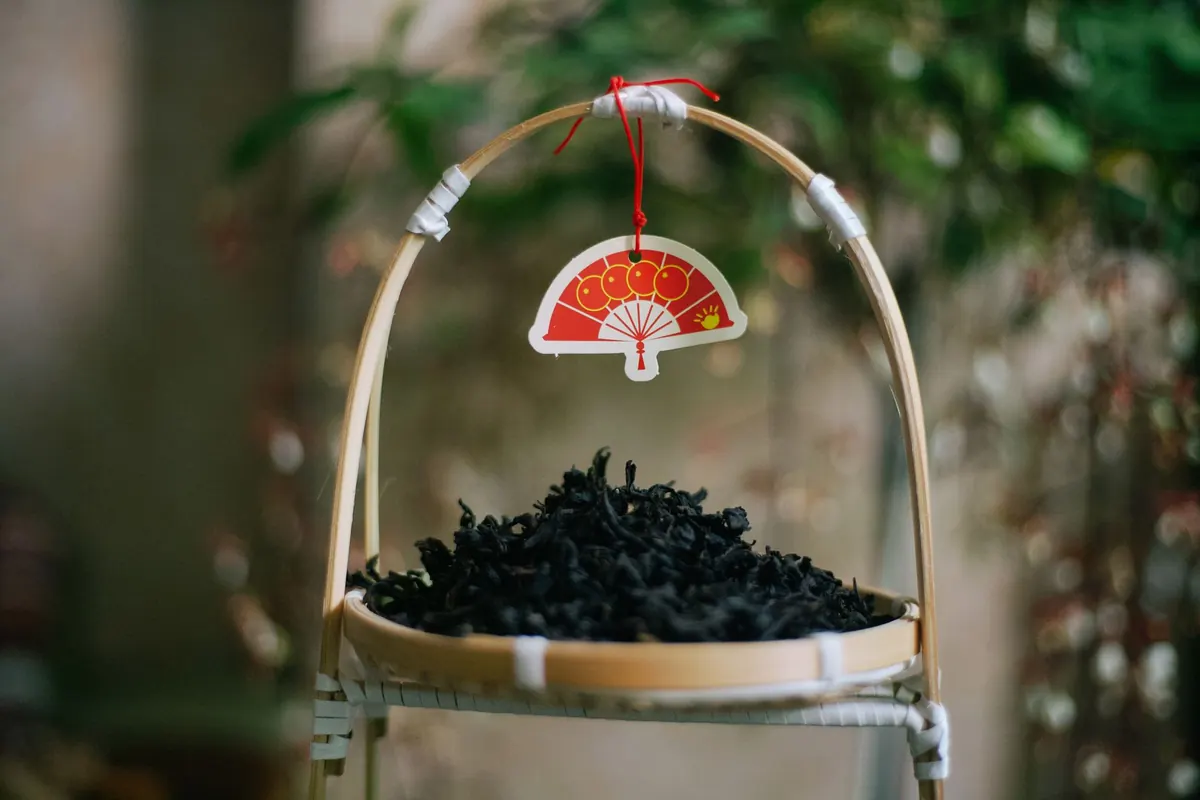
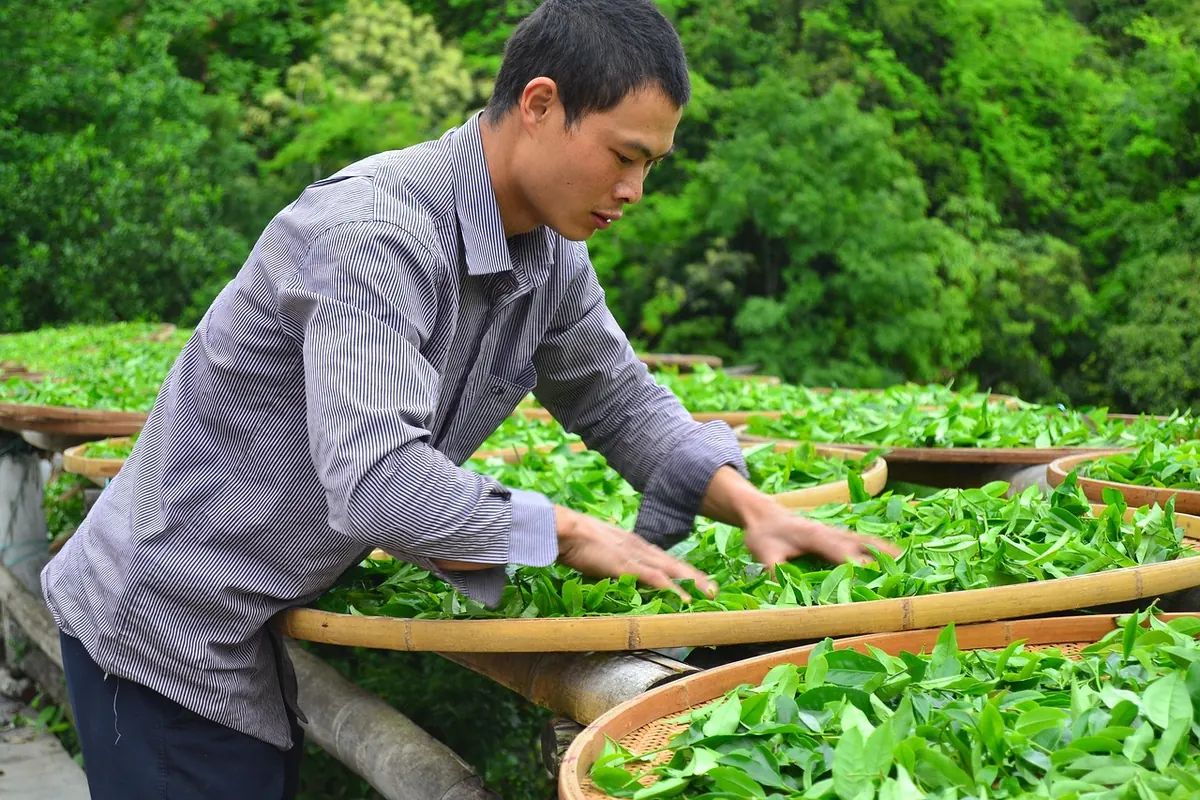
True tea comes from one species: Camellia sinensis, an evergreen shrub native to East Asia. White, green, yellow, oolong, black, and dark (pu-erh) teas are all made from its leaves. The differences between them come from the cultivar, which leaves are picked, how much the leaf is oxidized or fermented, and how it is finished and dried. Nothing else is added to make a tea "black" instead of "green."
This matters because all true teas contain caffeine, unless they have been decaffeinated, and even then a small amount usually remains. So a jasmine green tea, a smoky lapsang souchong, and a delicate silver needle are relatives. They share a plant, a family of flavors, and a mild stimulant effect.
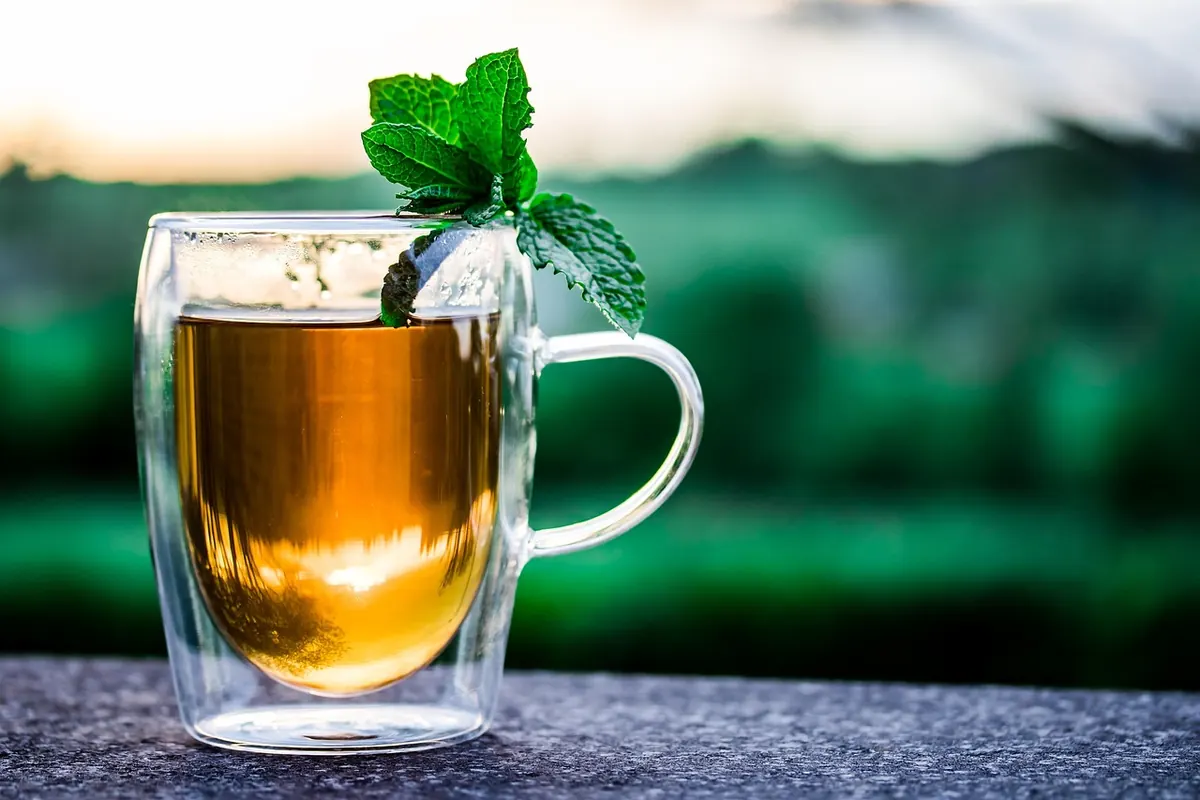
Everything else in your cupboard is an infusion of a different plant, or several. The proper word is tisane, and it covers flowers, leaves, roots, bark, seeds, and fruit. The range is enormous:
Rooibos and honeybush, both from South African shrubs, are tisanes and are naturally caffeine-free. There are a few exceptions worth knowing about: yerba mate, guayusa, and yaupon are tisanes that do contain caffeine, so "herbal" does not automatically mean "safe for bedtime."
You do not need a reference book. Check the ingredient list for the plant name.
Caffeine content in true tea swings widely depending on the leaf, the water temperature, and how long you steep. A lightly brewed cup can feel mild; a long, hot steep of an Assam can feel like a jolt. If caffeine is a concern, that variability is the thing to manage, not the color of the liquor.
Brewing instructions differ too, and people often get this backwards. Delicate green and white teas want water well below boiling, around 70–80°C, so the leaf does not turn bitter. Black and dark teas take water just off the boil. Tisanes are the opposite of fussy in one sense and demanding in another: most need boiling water and five to seven minutes, and chunks of root, bark, or seed may want eight to ten minutes, or a gentle simmer on the stove.
A cup of tea is a cup of water with flavor, aroma, and a small amount of plant compounds. That is genuinely useful. It keeps you hydrated, it gives you a warm ritual at the end of a day, and it can nudge you away from sugary drinks. Peppermint and ginger are traditional choices after a heavy meal or when the stomach feels unsettled; chamomile, lemon balm, and lavender are commonly reached for when it is time to wind down.
What a tisane cannot do is act like medicine. A steeped cup is a weak preparation compared with the concentrated extracts and standardized doses used in clinical research, and the evidence behind most herbs is mixed, thin, or specific to a form you are not drinking. Claims about detoxing, boosting immunity, or melting away fat are marketing, not pharmacology. Herbs also vary by harvest, so two boxes of the same blend may not deliver the same amount of anything.
There is a practical flip side. If an herb is strong enough to matter, it can also interact with something else you take. Some botanicals are best limited or avoided during pregnancy, while breastfeeding, before surgery, or when you take daily medication. Check with a pharmacist or clinician before using a tisane as a regular treatment, and do not stop prescribed medication in favor of a cup of tea.
If a tea is strong enough to change how you feel, it is strong enough to interact with something else in your routine.
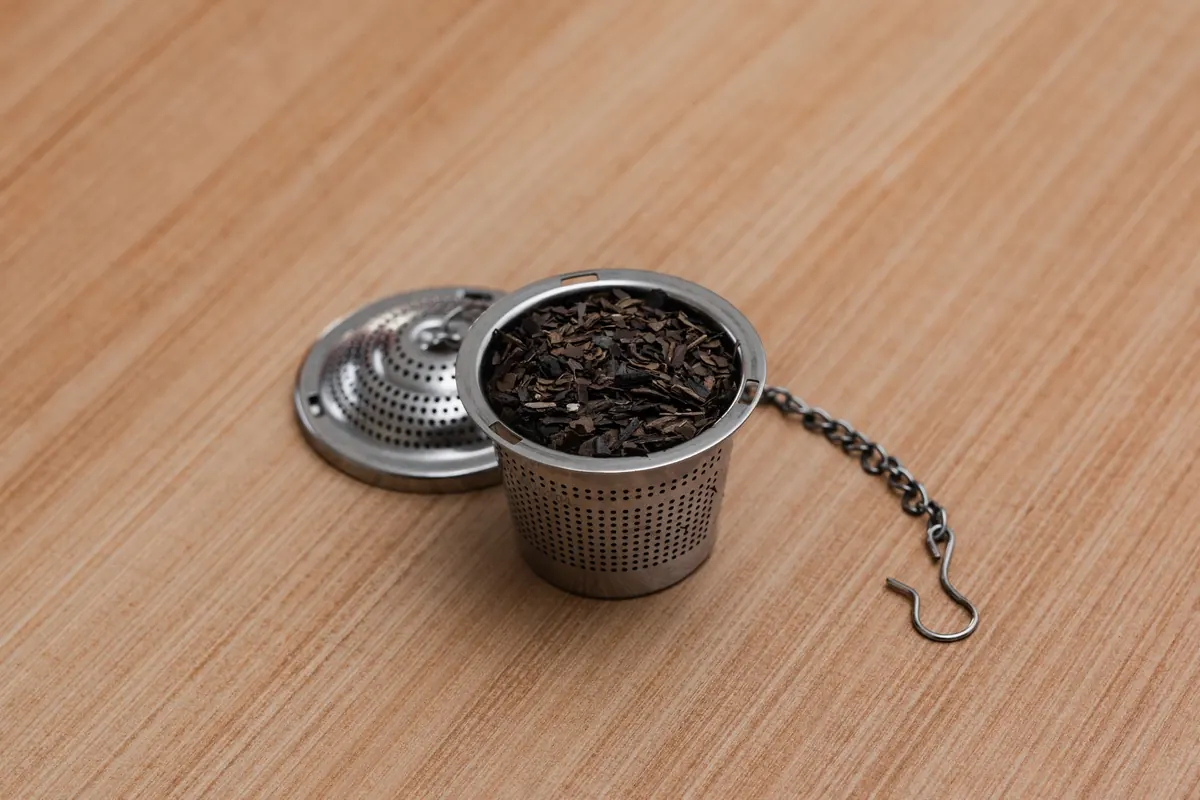
Dried flowers and leaves are bulky, so volume is a poor measure. Start with roughly one to two teaspoons per cup by eye, or a few grams by weight, and adjust from taste rather than habit. Cover the cup while it steeps; the aromatics that make a tisane pleasant are volatile and will otherwise drift into the room. Fruit blends can turn sharp if left too long, so taste at five minutes instead of walking away. For a smoother, less astringent result, cold-brew fruit and hibiscus blends in the fridge overnight. Roots and seeds are forgiving and often reward a second steep, or a short simmer if you want the full flavor.
Use both, for different jobs. Keep true tea for the morning, brewed at the right temperature, and pay attention to how much caffeine you actually want. Keep tisanes for the evening, when a caffeine-free cup and a quiet ten minutes are the point. Buy in small amounts at first, since dried botanicals fade, and store them away from light and heat. Let taste and how you feel guide your choices, not the claims on the box. And if a real health concern is what sent you looking, bring it to a professional rather than to the tea aisle.
Photo: Myriams-Fotos / Pixabay