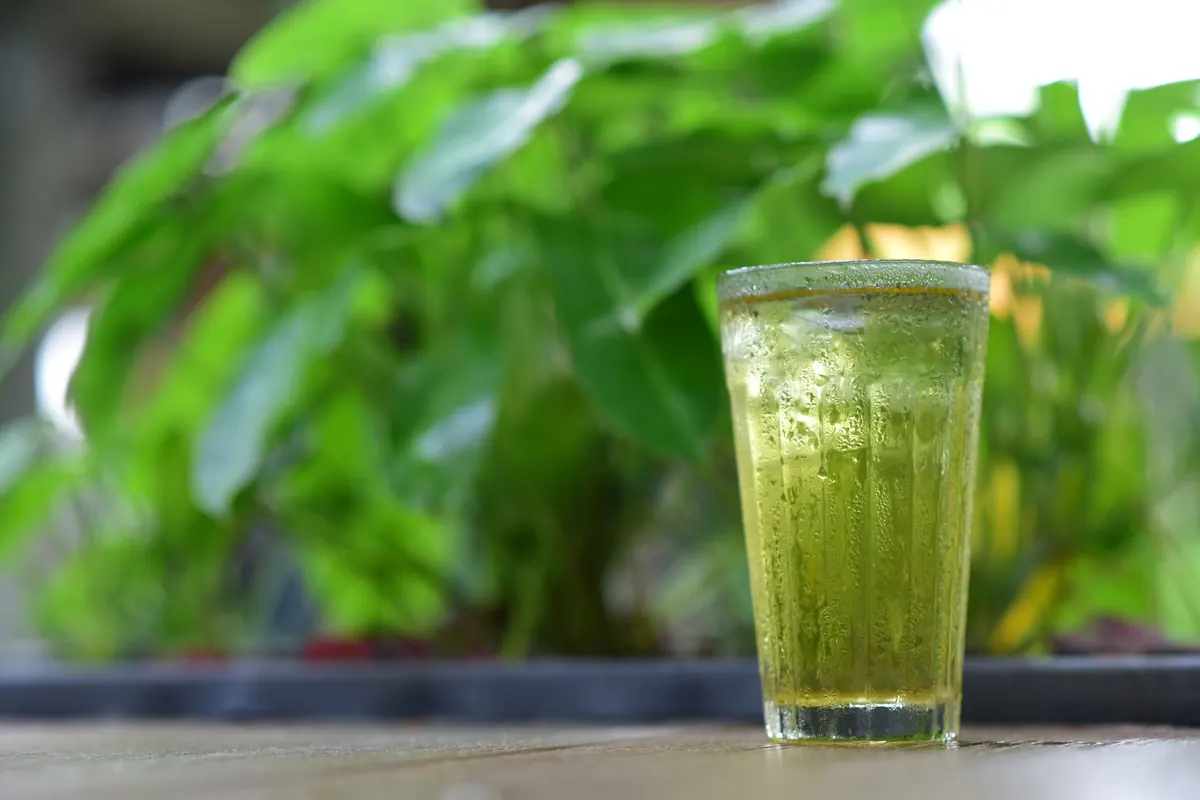
Hot tea is a conversation. Cold brew is a letter that arrives six hours later, and it says something different: softer, sweeter, more floral, with almost none of the bitterness that turns people away from green tea. All you need is a jar, cold water, and the patience to leave it alone in the refrigerator. Here's how to get the ratio, the timing, and the leaf choices right on the first batch.
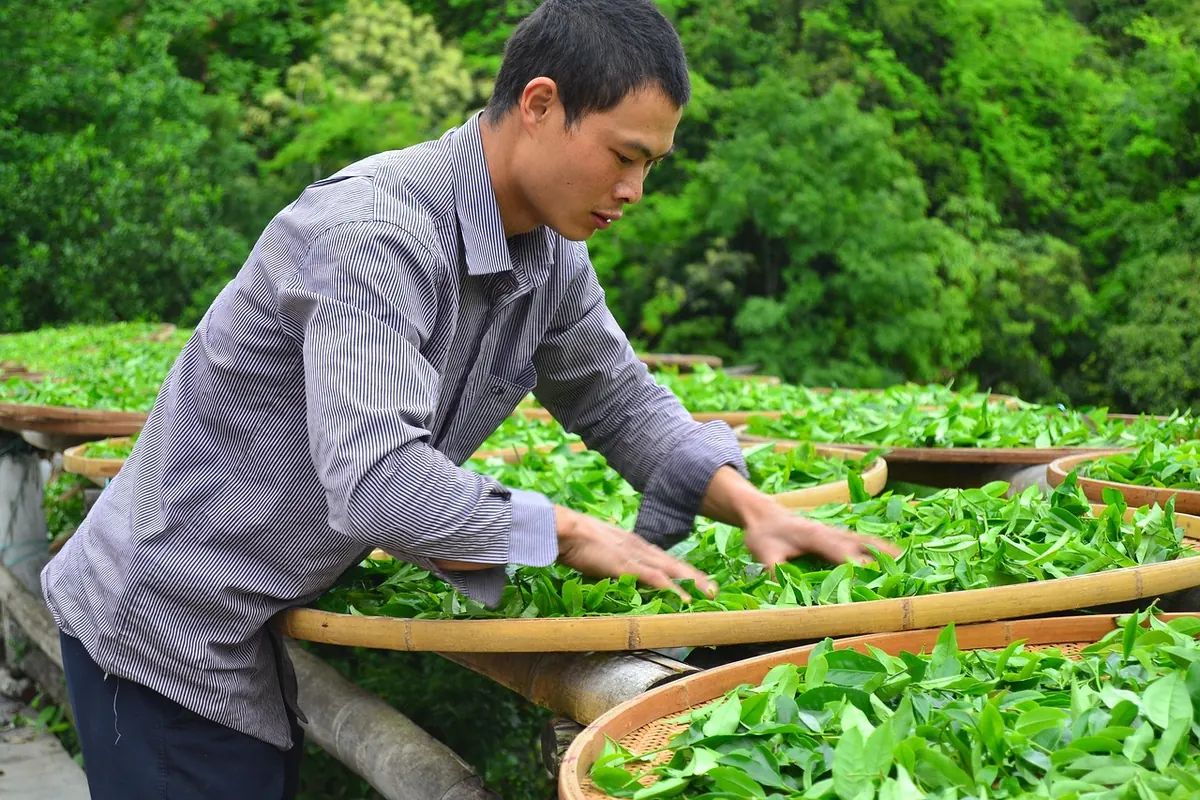
Heat is impatient. In hot water, the leaf gives up everything at once — the bright aromatics, the sugars, and also the tannins and catechins that read as bitter or drying. Cold water works more slowly and selectively, drawing out sweetness and fragrance while leaving much of that astringency behind. It's why a green tea that tastes sharp at 175°F can taste like sweet peas and melon after a night in the fridge.
Caffeine comes along too, usually in smaller amounts than a hot infusion of the same tea, though it depends on the leaf and the hours. If caffeine matters to you, choose a naturally lower-caffeine type rather than stretching the steep time.
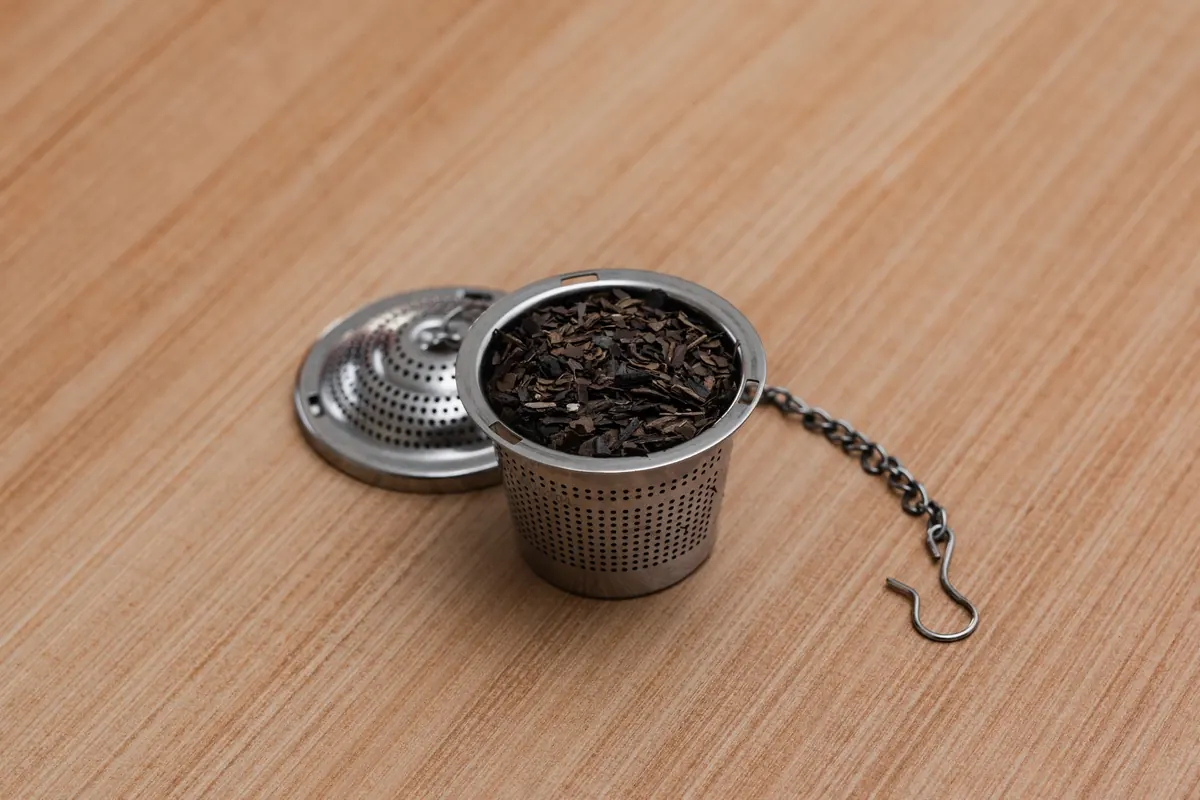
The reliable starting point is 10 grams of leaf per liter of water. In kitchen terms, that's about one teaspoon of whole leaf per cup (240 ml), or roughly four standard tea bags per quart. Whole leaves are bulky, so weight beats volume if you own a scale; if you don't, use the teaspoon as a baseline and correct from there.
Two rules make everything else easier:
For iced tea you plan to pour over a full glass of ice, brew a concentrate — double the leaf, same amount of water — then dilute to taste. The melting ice does half the work for you.
Treat these as windows, not laws, and taste at the early end. Strain the leaves out when it's right; they keep steeping whether you're paying attention or not.
Cold water doesn't fight the leaf. It waits for it.
Nearly any tea can be cold brewed, but some were practically made for it.
This is where cold brewing earns its reputation. Delicate teas that punish a heavy hand with hot water — gyokuro, sencha, silver needle — come out sweet, savory, and clean. Expect cucumber, sugarcane, and melon rather than grass.
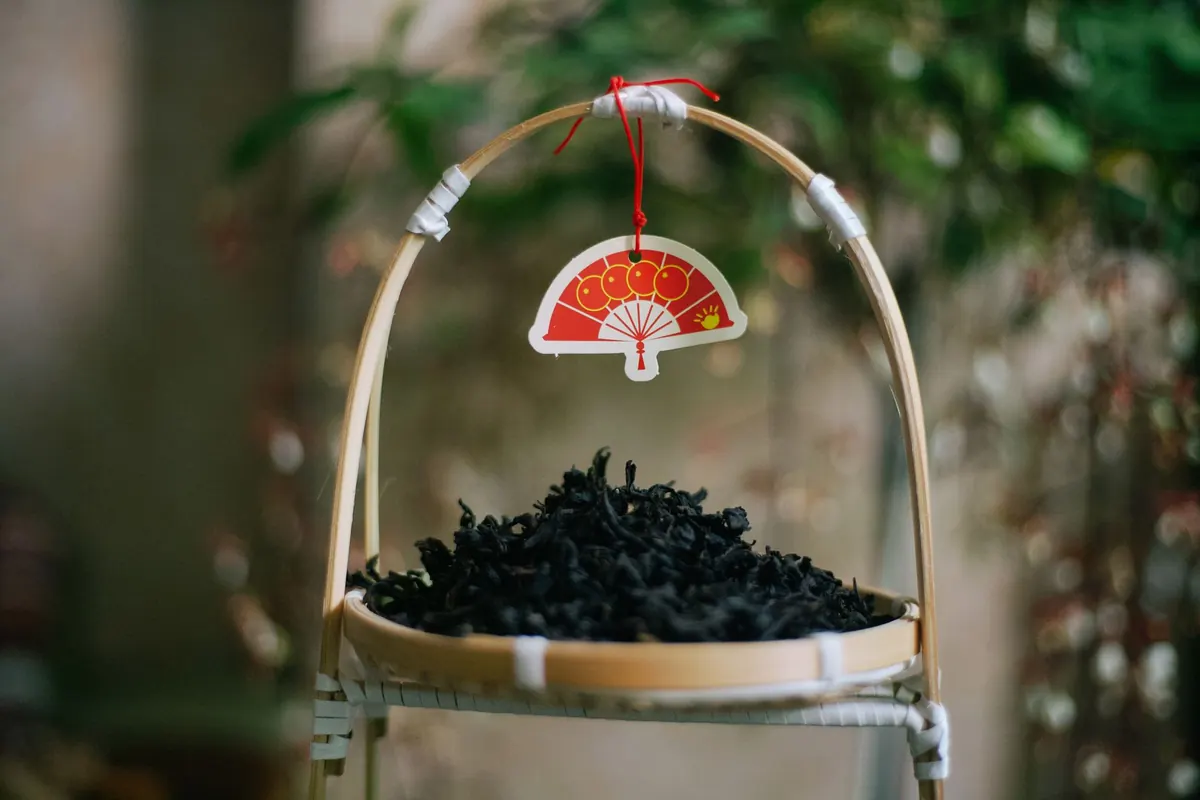
Light oolongs stay perfumed and creamy. Roasted oolongs are the surprise: cold water softens the char and leaves behind cocoa, stone fruit, and a pleasing mineral finish.
Whole-leaf blacks such as Dianhong or a good Ceylon give malt, honey, and dried fruit without the chalky bite. Skip CTC fannings and dusty broken blends; they go muddy in a jar.
Ripe pu'er cold brewed overnight is dark, smooth, and earthy — closer to a light coffee than a cup of tea. Herbal infusions (not technically tea, since they don't come from the tea plant) do beautifully: mint, rooibos, chamomile, lemongrass, hibiscus. If you're pregnant, nursing, or taking medication, check with a healthcare professional before making any herbal infusion a daily habit.
Avoid sweetening the jar while it steeps; sugar and honey mask the aromatics you're working to preserve. Add syrup or citrus at serving time instead, when you can taste as you go.
Pick a single tea, not five. Measure a teaspoon per cup, add cold water, and put the jar in the fridge before bed. Taste it at six hours, then at eight, and note which you preferred. That one comparison teaches you more than any chart.
From there, the variations are yours: brew a concentrate for tall glasses of iced tea, freeze leftovers into tea cubes so tomorrow's drink doesn't dilute, or steep mint alongside a green tea for something bright and green. Cold brewing rewards a little planning and almost no skill. The hardest part is remembering it's in the fridge.
Photo: Sóc Năng Động / Pexels