Put a light-roast oolong next to a charcoal-roasted one and the family resemblance almost disappears. One smells like a garden after rain; the other like toast, cocoa, and stewed fruit. Same plant, often the same cultivar and the same week of picking. The roast made that difference, and it also decides how hot your water should be and how long you can walk away from the gaiwan.
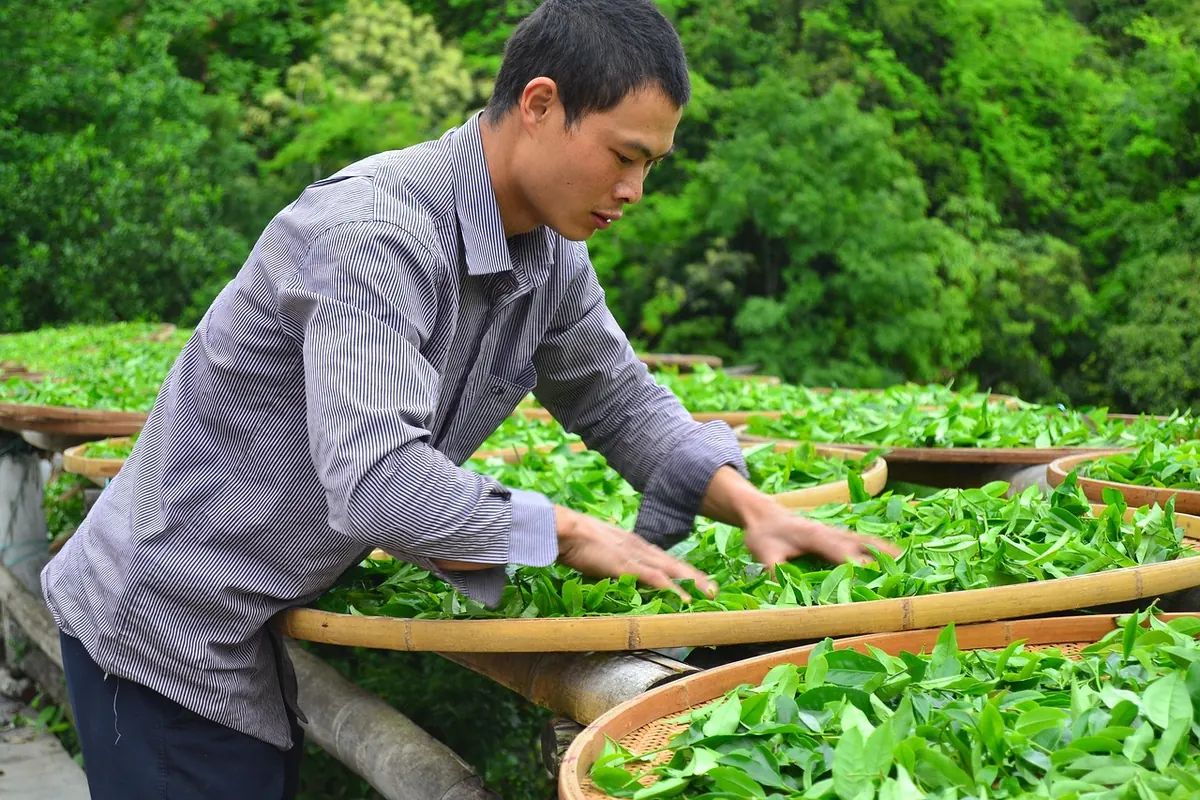
Roasting is a finishing step, done after the leaves have been withered, bruised, oxidized, and dried. The maker runs the tea through several rounds of heat — traditionally over charcoal, more often these days in an electric roaster — and lets it rest between passes. Each round drives off moisture and pushes sugars and amino acids into new compounds, roughly the same browning reactions that turn bread into toast. Stop early and the floral top notes survive. Keep going and those notes give way to something darker, sweeter, and much sturdier.
Two things follow from that. A heavily roasted oolong keeps far better than a light one; the roast acts a little like a preservative, and some dark-roasted teas improve for years. And roast level tells you how forgiving the tea will be. Light oolongs punish careless brewing. Dark ones shrug it off.
Most high-mountain Taiwanese oolong lands here — Shan Lin Xi, Li Shan, Alishan — along with green-style Anxi Tieguanyin and many Phoenix Dan Cong.
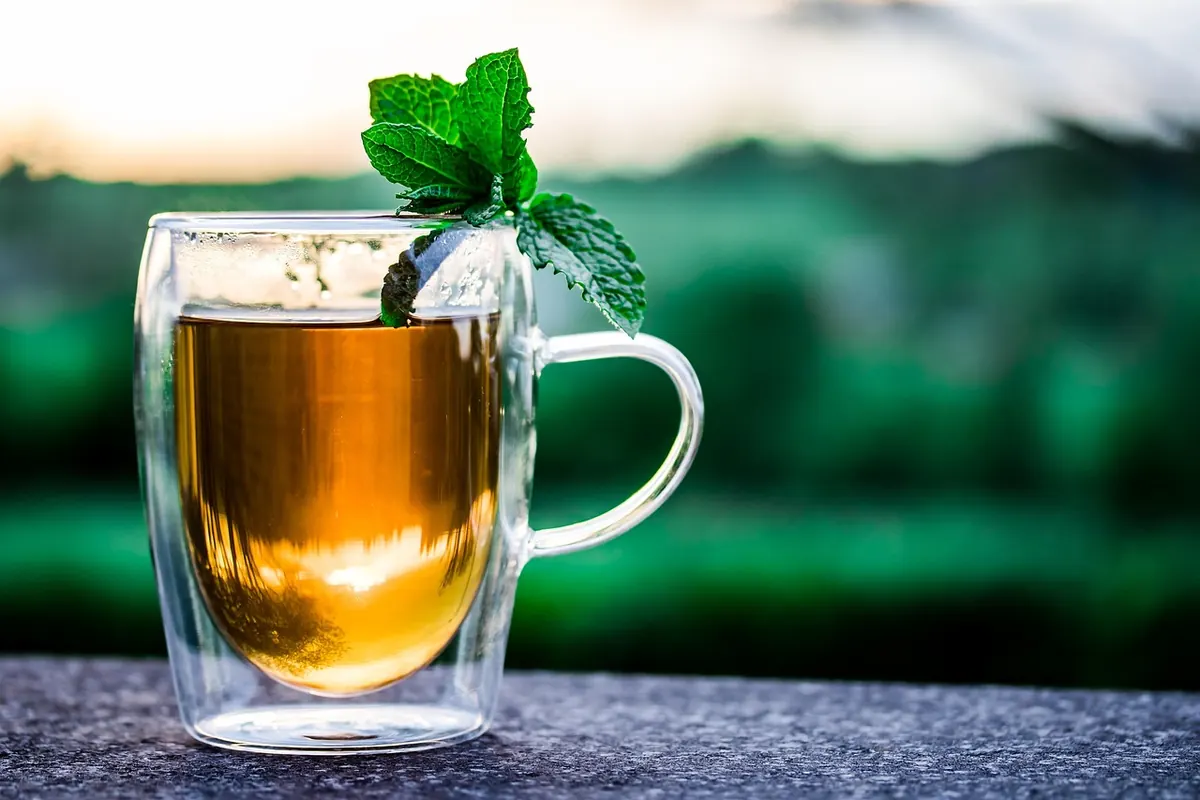
What you taste: orchid and gardenia first, then a creamy, buttery middle and a clean sugarcane sweetness. The liquor is pale gold, sometimes faintly green. On the finish you may catch a light vegetal edge and, if the tea is young or brewed too hard, a drying astringency that sits on the sides of your tongue.
How to brew it: keep the water below a rolling boil, around 90–95°C (195–205°F). Use about 5 grams per 120 ml in a gaiwan. First steep 20–30 seconds, then add 5–10 seconds each round. Boiling water flattens the aromatics and drags out bitterness, so if you have only one kettle, let it sit for a minute before pouring.
Traditional Dong Ding from Nantou, roasted Muzha Tieguanyin, and many Wuyi rock oolongs sit comfortably in this band.
What you taste: toasted grain and honey, roasted chestnut, baked apple, a thread of caramel. The florals from the light end are still present but rounder and further back, more like jam than fresh fruit. The liquor turns amber and the body thickens noticeably. The finish lingers with the mineral tang rock oolongs are known for.
How to brew it: 93–100°C (200–208°F), 6 grams per 120 ml, first steep 15–25 seconds. Medium roasts open fast, so the first pour is often the most intense of the session. If a steep turns harsh, shorten the next one rather than dropping the temperature — this range handles heat well.
Charcoal-roasted Tieguanyin, heavy-roast Shui Xian, many Da Hong Pao blends, and aged roasted oolong live here.
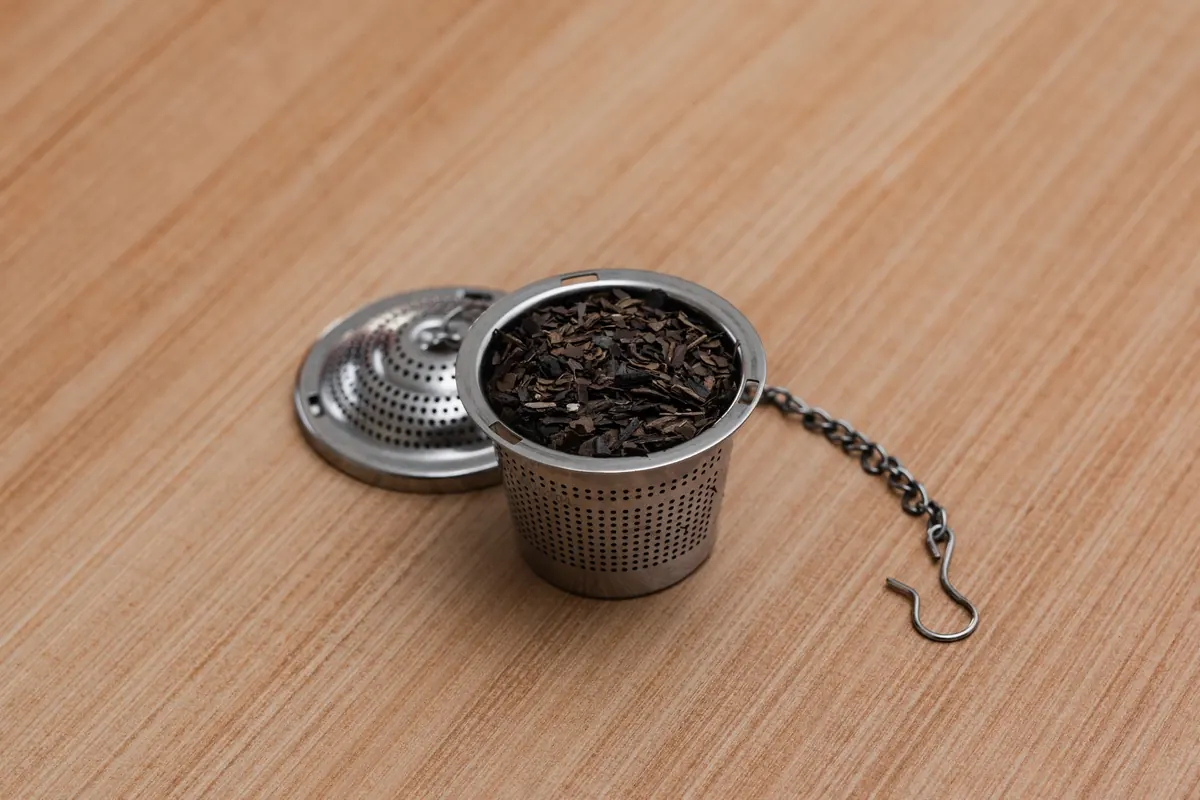
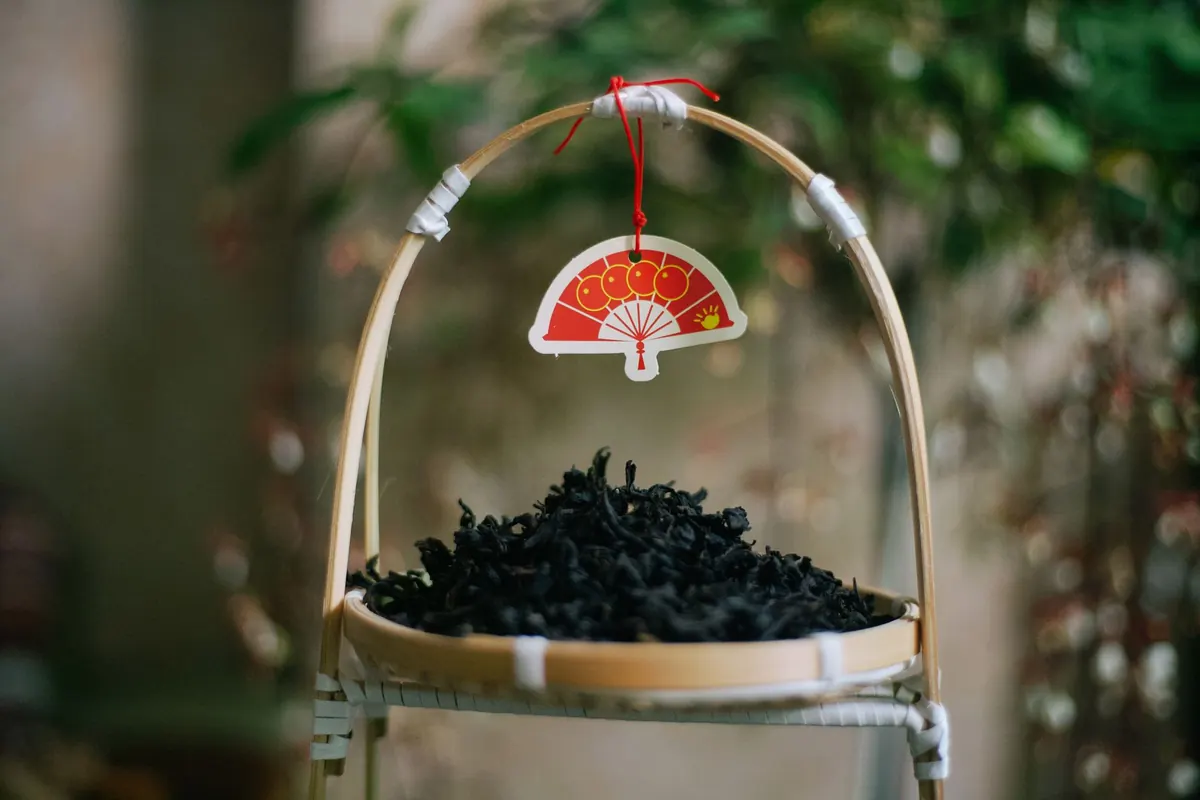
What you taste: cocoa nib, dark chocolate, roasted nuts, toast, molasses, and a long, cool mineral finish that can read almost minty. The fruit goes dark — stewed plum, raisin. Freshly roasted batches can taste flat or aggressively smoky, which is why a rest of a few weeks to a few months matters; the smoke settles into the leaf and the sweetness comes forward.
How to brew it: boiling water, 100°C (212°F), 6–7 grams per 100–120 ml, first steep 10–20 seconds, then build. This is the easiest oolong to brew well. It takes heat, long steeps, and repeated infusions without collapsing. A quick three-second rinse before the first steep wakes the leaf and washes off surface roast.
The guiding rule is intensity matching, with one twist: a tea sweeter than the dish makes the food taste flat. Reach for the tea that can stand beside the plate, not on top of it.
Buy a small bag of each — 25 grams is plenty — from a vendor who states the roast level, and set up three gaiwans with the same leaf weight and the same water. Taste light, then medium, then dark, and pay attention to three moments: the dry leaf, the wet leaf after the first pour, and the second steep, where roast character usually shows most clearly.
Keep notes short. Which one would you drink plain at breakfast? Which one do you want with food? That answer matters more than any description here.
For storage, keep all three in airtight tins away from light, heat, and spices. Light roasts are the most perishable and are best within a year; medium roasts hold a bit longer; dark roasts can sit for several
Photo: ivi nnnnnn / Pexels