Green tea has an image problem, and it is largely self-inflicted. Most people who say they don't like it have only met it at its worst: leaves scalded with water straight off the boil, left to sit until the cup turns harsh and yellow-green. Brewed that way, even a careful spring harvest tastes like a boiled lawn. Brewed with a little attention to temperature and time, the same leaves taste sweet, savory, and clean. The difference is rarely the tea. It is almost always the water.
The good news is that this is one of the cheapest problems in all of cooking to fix. You do not need a laboratory thermometer, a temperature-controlled gooseneck kettle, or a degree in food science. You need a rough way to estimate water temperature, a way to count seconds, and ten patient minutes with a tea you already own.
Green tea is the least oxidized style of tea, which means the leaf stays close to its fresh-picked state — and that freshness is delicate. The compounds that read as bitter and astringent, catechins and caffeine, dissolve quickly in hot water. The compounds that read as sweet and savory, amino acids such as L-theanine along with simple sugars, emerge more slowly and degrade with heat. A hot, long steep gives you the first group in abundance and very little of the second.
This is why two people can brew the same sencha and get completely different cups. Steaming and pan-firing are done specifically to preserve those sweet, brothy amino acids. Boiling water undoes that work in about thirty seconds. That said, bitterness isn't entirely the enemy — a green tea with no bite at all tends to taste flat and hollow. What you want is balance: enough structure to taste like tea, not enough to make your mouth pucker.
Most green teas are happiest between 70°C and 80°C (158°F to 176°F). Shaded Japanese teas such as gyokuro want it cooler still, around 50°C to 60°C (122°F to 140°F), while a sturdy pan-fired Chinese green like longjing will shrug off 80°C to 85°C without complaint. Oolong and black tea drinkers are used to thinking in terms of "just off the boil," but with green tea you are usually aiming a full twenty to thirty degrees lower than that.
The reason a few degrees matter so much comes down to extraction rate. Heat is a catalyst: as a rough rule, every ten degrees warmer roughly doubles how fast the leaf gives up its soluble compounds. So dropping from 95°C to 75°C doesn't make the tea 20 percent gentler — it changes which compounds dominate the cup. The bitter catechins need real heat to leap into the water quickly, while the sweet amino acids come out readily even in lukewarm water. Cooler water is, in effect, a filter that lets the good stuff through first.
Any of these gets you close enough. Green tea forgives a five-degree error. It does not forgive a twenty-degree one.
If temperature decides which compounds come out, time decides how many of them do. A green tea steeped for five minutes at 70°C will still taste bitter — just a flatter, duller bitterness than one steeped for ninety seconds at 95°C.
A reliable starting pattern for multiple infusions:
Notice that the second steep is shorter than the first. This trips people up constantly. The leaf is already soaked, fully unfurled, and warmed through, so it releases its flavor far faster the second time around. Adding time to each successive steep is a habit borrowed from black tea, and with green tea it usually produces a bitter second cup and an undrinkable third.
Equally important: don't walk away mid-steep. A thirty-second oversteep at 80°C is noticeable; a two-minute one is a ruined pot.
For a standard 250 ml (8 oz) cup of loose-leaf green tea:
Change one variable at a time, or you will have no idea which adjustment worked.
Temperature is the headline, but water chemistry runs a close second. Very hard, mineral-heavy water flattens the flavor of green tea and can amplify astringency; heavily chlorinated tap water does it no favors either. Filtered water is the simple answer. Distilled water is a mistake — with no minerals at all, tea tastes hollow and lifeless.
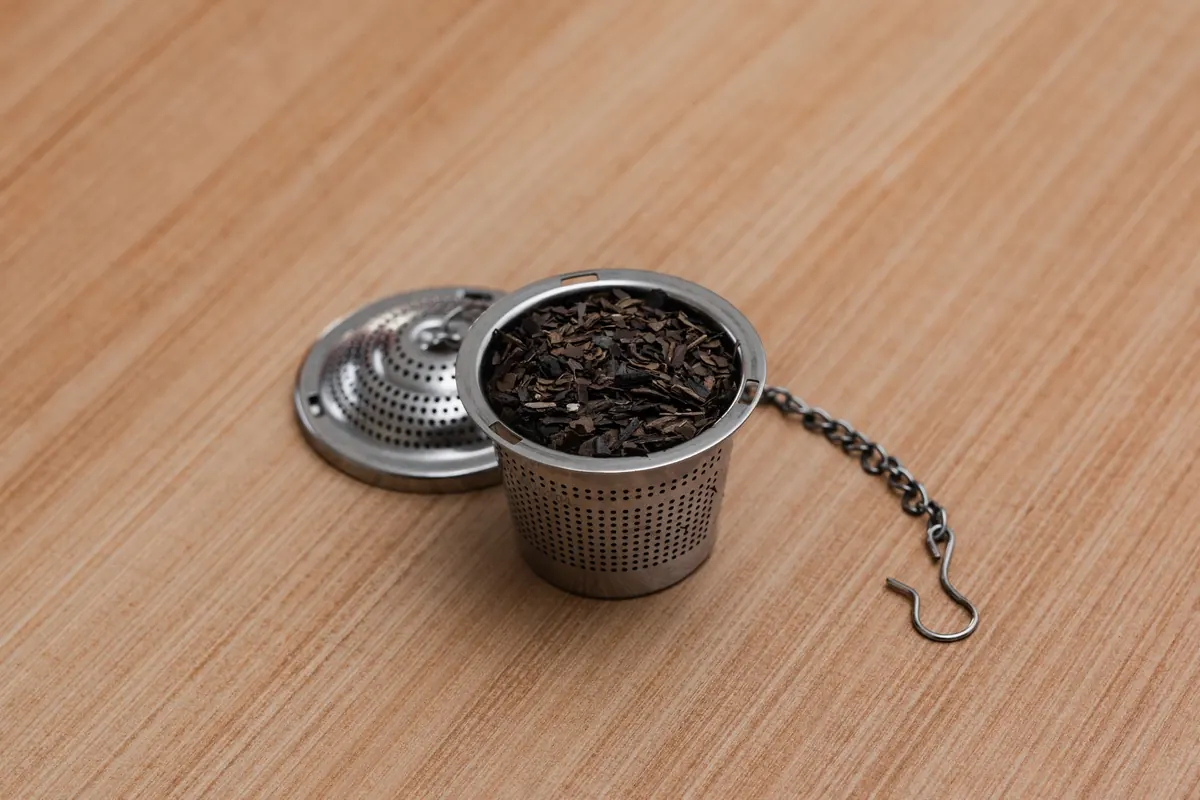
As a general principle, more leaf and less time beats less leaf and more time. A crowded tea ball steeps unevenly and traps the leaves against the metal, which is why a simple basket infuser or a small gaiwan gives noticeably better results. Give the leaves room to unfurl; watching them open is half the pleasure anyway.
It happens to everyone. Here is what actually helps:
The numbers in this guide are starting points, not laws. Your kettle, your water, your leaf, and your palate are all variables no chart can account for. The only reliable method is to brew the same tea three mornings in a row, changing one thing each time, and paying attention to what you taste.
That process takes about ten minutes total and will teach you more than any brewing chart ever could. Once you know what your tea tastes like when it is slightly too hot and slightly too long, you will never accidentally do it again — and you will stop blaming the leaf for something the water did.
Brew it badly on purpose once, then brew it well. The distance between those two cups is the entire lesson.
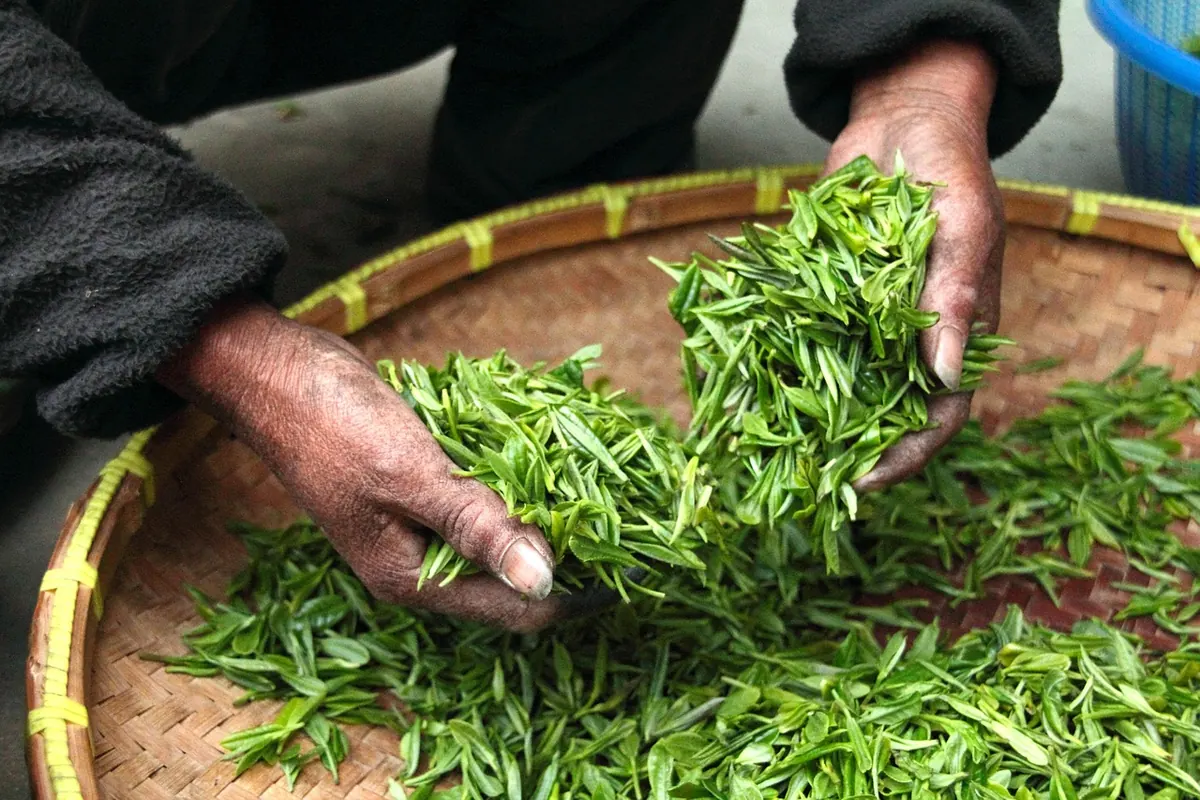
Photo: highnesser / Pixabay